
How to Refresh Your Website for the New Year
The start of a new year always brings a sense of renewal and opportunity. It’s a time when businesses reflect on what worked, what didn’t, and where to improve. While most teams focus on marketing campaigns or brand messaging, one area often overlooked is the website itself, the digital foundation of your entire marketing ecosystem.
At The BLU Group, we believe your website should evolve alongside your business. Just like your brand strategy, it needs occasional review, refinement, and optimization. A fresh start doesn’t always mean a full rebuild. Sometimes, small, strategic updates can deliver big results.
Here’s why a new year is the ideal time to give your website a refresh, and how to approach it thoughtfully.
Why a Website Refresh Matters
Your website isn’t static. Design trends shift, user behaviors evolve, and technology standards change faster than most realize. Even if your site looks fine on the surface, there’s a good chance it’s due for some behind-the-scenes updates.
A website refresh can help:
- Improve site performance and speed
- Strengthen user experience (UX)
- Align branding with your current identity
- Boost search engine visibility
- Increase conversions through better functionality
In short, a refreshed website keeps your business looking modern, functioning efficiently, and performing competitively online.
Start With a Comprehensive Website Audit
Before making any changes, it’s important to assess where you stand. A website audit helps you understand what’s working, what’s outdated, and where opportunities lie.
When conducting an audit, evaluate key areas such as:
1. Technical Performance
Check site speed, mobile responsiveness, and loading times. Tools like Google PageSpeed Insights and GTmetrix can reveal hidden performance issues that impact both user experience and SEO.
2. Design and Visuals
Design trends evolve, but clarity and usability never go out of style. Evaluate whether your site looks current and visually consistent with your brand’s direction. Even small design tweaks , updated typography, modernized icons, or cleaner layouts , can create a more professional impression.
3. Content and Messaging
Review your copy for relevance, tone, and accuracy. Does it still reflect your brand’s voice? Does it speak to today’s audience and their needs? Outdated content can undermine trust, while refreshed messaging strengthens your positioning.
4. SEO and Metadata
Search algorithms change constantly. Review your page titles, meta descriptions, headings, and keyword usage. Updating metadata and optimizing for current search intent can significantly improve visibility without a full redesign.
5. Analytics and Conversions
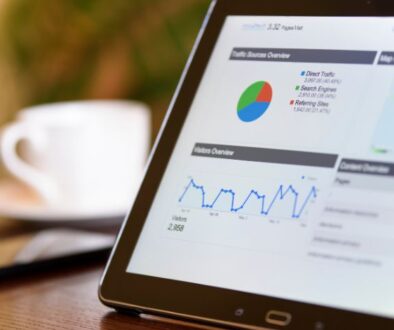
Dig into your analytics. Which pages have high bounce rates? Where are users dropping off in your conversion funnel? Small UX adjustments , like simplifying forms or improving navigation , can make measurable differences.
A data-driven audit provides the foundation for prioritizing which improvements will have the biggest impact.
Refresh the Design, Don’t Reinvent It
A full website redesign isn’t always necessary. In many cases, strategic design updates can breathe new life into your existing framework.
Some simple yet effective design refresh ideas include:
- Updating your color palette for stronger contrast and accessibility
- Refreshing hero images or banners to reflect your current brand tone
- Introducing modern animations or microinteractions that improve engagement
- Simplifying layouts for faster navigation and readability
The goal is to enhance the experience without overwhelming users or straying from your established identity.
Focus on User Experience (UX)
UX is at the heart of every successful website. In 2026, expectations are higher than ever. Visitors want fast, intuitive, and frictionless experiences.
To improve UX during your refresh:
- Ensure navigation is simple and predictable
- Keep menus clear and concise
- Optimize mobile usability for all screen sizes
- Review CTAs for clarity and placement
- Streamline checkout or contact processes
Even subtle improvements, like reducing the number of form fields or improving button visibility, can make your site feel significantly smoother.
Update Content for Relevance and Search Value
Search behavior changes as people adopt new technologies, phrasing, and expectations. The start of a new year is an excellent time to review your content strategy.
Consider updating:
- Service pages with current offerings and new insights
- Blog content that performed well in the past but could use updated information
- Calls to action that align with your current goals
- Internal linking structures to improve SEO and guide visitors through your site
Remember, fresh content signals to search engines that your website is active and relevant. It also gives visitors a reason to stay longer and engage more deeply.
Ensure Accessibility and Compliance
Accessibility isn’t optional anymore , it’s essential for inclusivity, user experience, and SEO. When refreshing your website, check for:
- Sufficient color contrast
- Alt text for all images
- Keyboard-friendly navigation
- Descriptive link text
- Proper heading hierarchy
Accessible design not only supports a wider audience but also demonstrates your brand’s commitment to usability and integrity.
Check Integrations and Functionality
Over time, plugins, forms, and embedded features can become outdated or incompatible with newer systems. During your refresh, test everything that connects behind the scenes, including forms, analytics tools, CRM integrations, and tracking pixels.
Broken or outdated functionality can quietly hurt conversions and credibility, even if the rest of your site looks great.
Review Security and Hosting
Website security continues to grow in importance. Updating your SSL certificates, software, and plugins ensures both user safety and SEO performance. Google prioritizes secure, stable websites in search results, and visitors notice when a site doesn’t feel safe.
It’s also a good time to evaluate your hosting provider. Is your site performing as efficiently as it could? Could switching to a faster or more reliable host improve your page speed and uptime?
Consider a Subtle Rebrand (If Needed)
Sometimes a website refresh reveals that your brand visuals or messaging have outgrown their original design. If your company has evolved, perhaps with new services, a different audience, or a modernized logo, now may be the right moment for a light rebrand.
That doesn’t mean starting from scratch. A refresh can incorporate updated design elements, refined tone of voice, or enhanced photography that better reflects your current identity.
Plan for Ongoing Maintenance
Refreshing your website shouldn’t be a one-time event. Building regular audits and updates into your annual marketing calendar helps you stay proactive instead of reactive.
Quarterly performance reviews, SEO checkups, and content updates can prevent small issues from becoming costly overhauls.
Think of your website like any other business asset, it performs best when it’s consistently maintained.
Final Thoughts
Your website is more than just a digital storefront, it’s the foundation of your brand’s online presence. A thoughtful refresh at the start of the year ensures it continues to represent your business accurately, efficiently, and competitively.
By combining design improvements, SEO updates, and UX refinements, you can give your visitors a better experience while strengthening your visibility and credibility.
At The BLU Group, we help businesses refresh and rebuild websites that reflect their evolving goals and audiences. Whether you need a design tune-up, SEO audit, or full digital strategy, our team can help you start the new year strong.
As you look ahead to 2026, having a website refresh can help guide brand decisions throughout the year. Begin planning what comes next, call 608-519-3070 or contact us for more information.